Tucked away in the high mountains of northern Nicaragua, Bismark Gomez's small, shade-grown farm, San Jose, is the perfect example of biodiversity and sustainable coffee farming.
Tell me more
High up in the mountains of northern Nicaragua, the region of Nueva Segovia borders Honduras to create the perfect microclimate for growing speciality coffee. It is here, nestled in the town of Los Arados, that producer Bismark Gomez manages his farm, San Jose.
Like 95% of coffee farms in Nicaragua, San Jose is a haven for biodiversity, growing its crops under a protective canopy of native and exotic shade trees. In a country that faces significant challenges with deforestation, smallholder plots like this one play a vital role in preserving the forests, maintaining soil health, and storing carbon.
To bring this excellent coffee to market, Bismark partnered with Cafetos de Segovia. They work diligently to connect local producers to global markets, ensuring they receive a liveable income while providing crucial processing infrastructure.
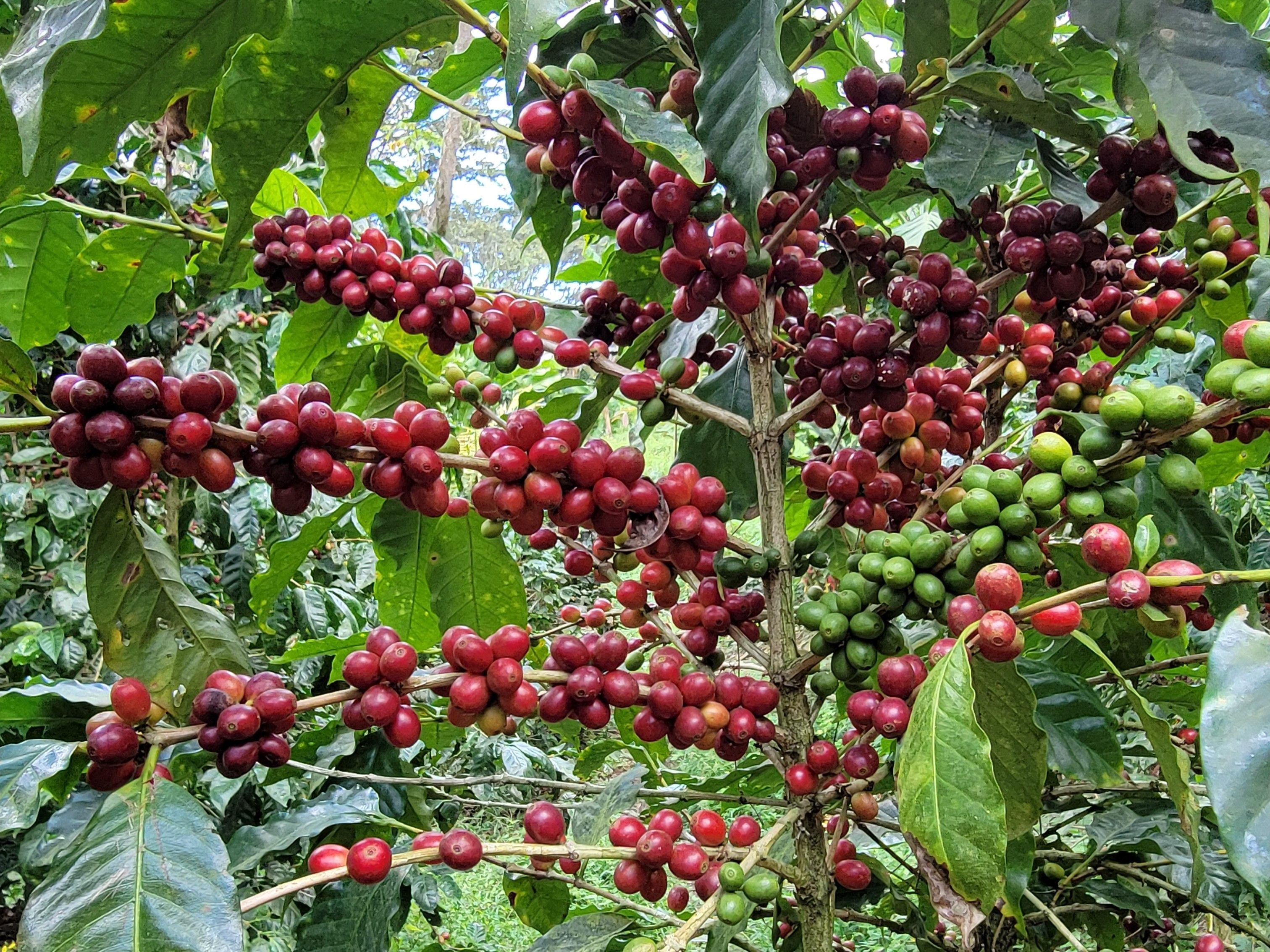
This particular lot is a classic blend of Red Catuai and Caturra varietals, harvested by hand on the farm's steep volcanic slopes. All water used during the washing process is carefully directed into oxidation lagoons to naturally filter back into the soil without polluting local water sources. A true example of dedication to their local environment.
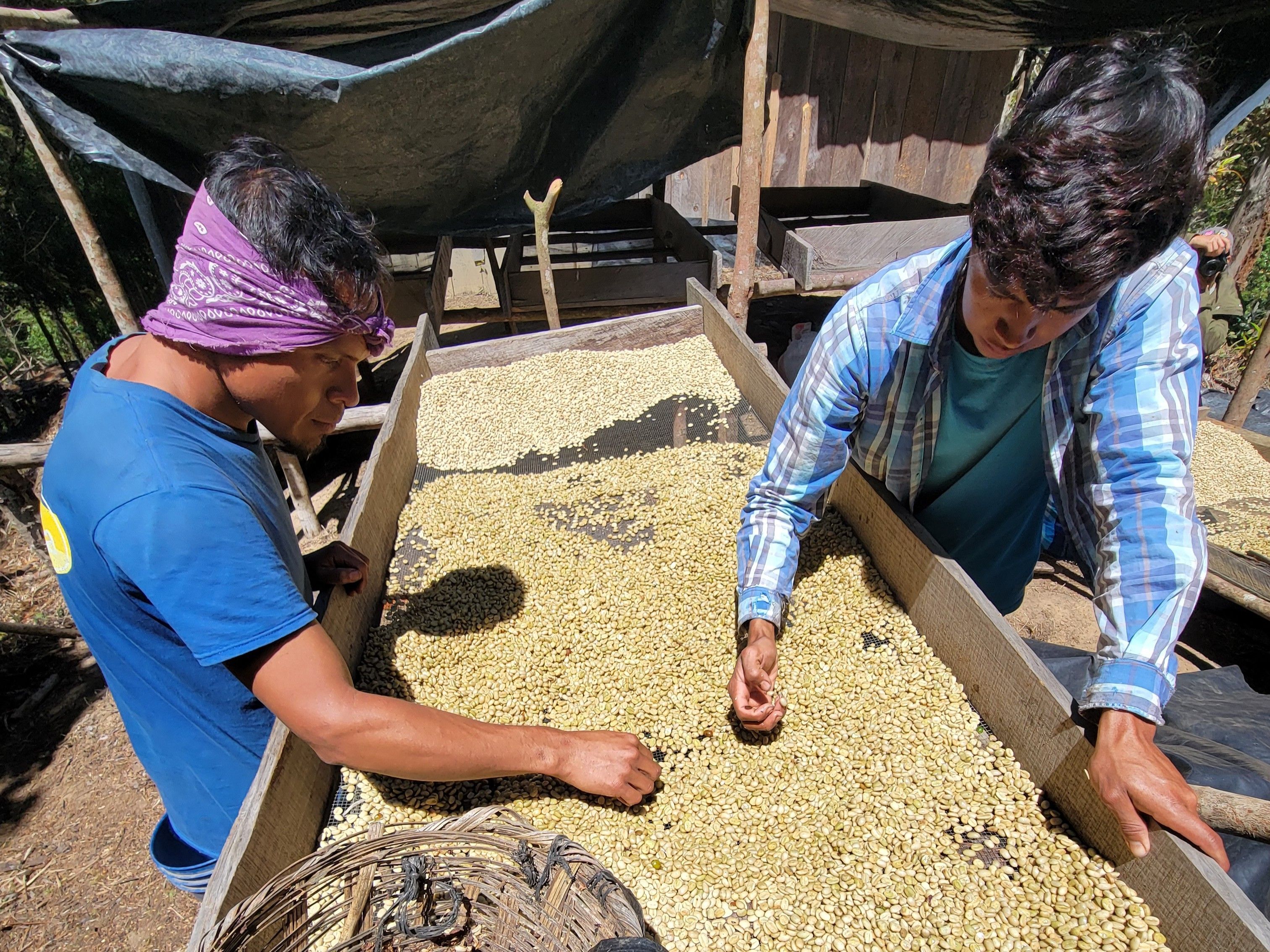
The final step in the process sees the beans being brought to the mill to dry slowly under a strict schedule. Three days in the open sun, eight days in the shade, and a final day in the sun. This allows for all the developed flavours in the bean to be locked in, creating a uniform cup profile.
Grab yourself a bag of this coffee and enjoy the almond-like nuttiness with pear sweetness if drank black. Prefer a flat white? Expect frangipane and crème pâtissière, delicious!