

Filled with notes of grapefruit, lemonade and white chocolate, this espresso is exactly what you'd expect from the high quality Bolivian coffee we’ve tasted before. It’s grown by smallholders in Cochabamba, who often have just a few hectares of crop every harvest. This is a coffee that represents both the heritage and future of Bolivian production, and we’re excited for you to try it!
Tell me more
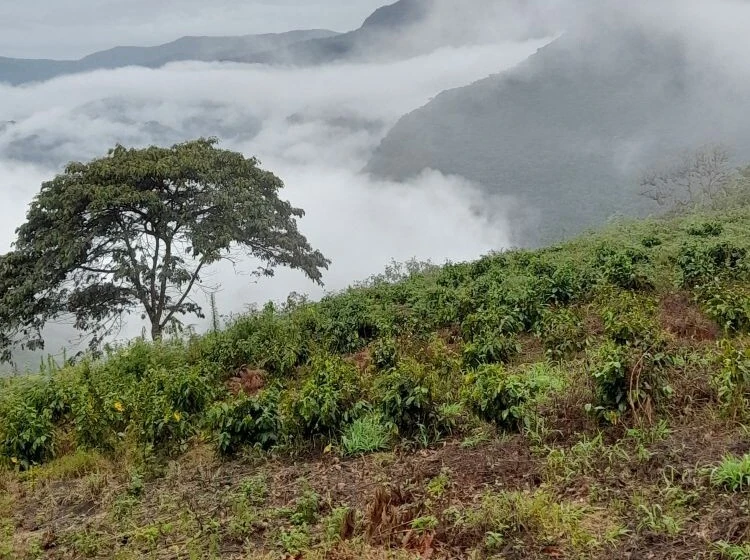
Coffee was introduced into Bolivia in the late 18th and early 19th centuries. Initially starting small, it was only from the mid-1900’s with reform and improved access to remote growing locations that production started to speed up. When you compare Bolivia's coffee industry with others, the most noticeable difference is how the country remains driven by smallholders. Around 85-95% of coffee in the country is grown by farmers with under 8 hectares, and it’s often not a full-time income for them.
Today, Bolivian coffee is known for high altitude growing conditions, and typically, they’ll produce washed coffees above other methods like naturals or honey processing. Cochabamba is an emerging talent in the country, and we are very excited to follow their growth.
The smallholders responsible for this impressive coffee often position their plants to grow in the shade. Whilst this does slow down growth, it means flavours tend to be more complex when compared to growing in direct sunlight. Once cherries are perfectly ripe, they’re handpicked and go through a short 24-36 hour fermentation, before being washed and laid out on patios in greenhouses to dry.
San José Espresso excels as a black coffee but also makes for a light and sweet brew with milk.


